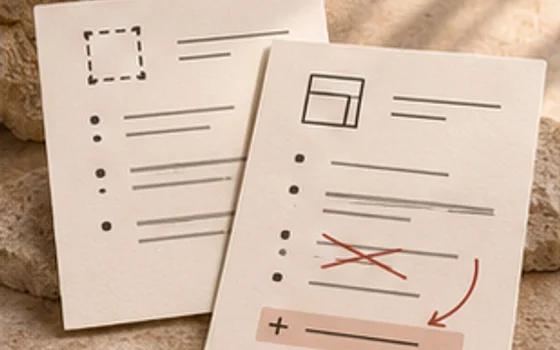
When a client asks for a lower price, start with the result they need by the agreed date. Some parts of the work may be optional or can wait. Find out whether the client wants to spend less overall, delay the next payment, or move work into a later stage. Each answer suggests a different revision.
Imagine a project includes one new template, three sample documents, and two review rounds. The buyer can afford less than the original quote. Ask which deliverable they need first. If the template matters most, you could quote it with one sample and offer the other two as future work. If all samples must be ready at launch, a different schedule or client preparation may remove more effort.
| Change | What to show in the revised quote |
|---|---|
| Smaller scope | Deliverables removed and revised acceptance criteria |
| Staged work | What the first payment buys and when a later stage is decided |
| Client supplies more material | What they provide and how its arrival affects timing |
| Same scope with adjusted price | Which cost or commercial assumption changed |
The SBA break-even calculator uses fixed costs, sale price, and variable costs. Apply that discipline when you recalculate the quote. Write down the hours or materials you actually save and check how the revised fee covers your costs. U.S. Small Business Administration
Read the budget question before taking anything out
Ask whether the buyer has a lower ceiling, a cash timing problem, or a new deadline. A lower total fee could mean a narrower project. A smaller payment this month could mean splitting a project into stages, with each amount and result agreed. If the date moved, see which part needs to be ready then. A client may say “cut the price” when they only need an opening version for a single audience. Find the result that still matters in their own words before calculating how the quote can change.
Imagine an invented proposal for a reporting template, three completed examples, and two reviews at $1,800. The buyer can spend $1,450 now. If one example and an agreed review still allow people to use the template, propose that version and give a price from the actual costs. If the three examples need to be shown together to test the work, look at whether the client can supply some approved material or whether the date can change. Offer changes you can actually deliver at the agreed date. The difference between the two sample prices is $350. Before agreeing that price, check whether the change saves enough work and expense under your estimate.
The US SBA break-even calculator distinguishes fixed costs, price, and variable costs. Those categories help you identify which work changes the quote. If you remove two reports but still need the same setup and review, count the saved production, not the whole project effort. A smaller fee can also change what you can deliver in the available time. Keep the new estimate beside the scope so you can show the buyer which cost or task moved. U.S. Small Business Administration
Show the tradeoffs in terms of what the buyer opens
Write one or two feasible options with a specific result, price, and date. An option could offer the editable template and one tested example by Thursday. A second could add two examples after the buyer prepares a set of agreed figures. Name who will review each stage and what determines completion. If the client can save money by supplying material, state which format it needs to be in and who verifies it. If they supply something unready, discuss what would happen to the quote before promising to clean it within the smaller budget.
Consider a second case where the client wants all work and can only pay part of the amount until the next month. The job may fit a staged plan if both sides can agree which payment goes with which approved outcome. Check your scheduling and cash circumstances before writing the proposal. Give each stage a decision date and explain whether work must wait for approval or payment. A project with a defined smaller stage can give both parties a point to review what remains. Some deadlines or agreements may make that route impractical. State the condition you need to confirm.
Ask the client to approve the version they will use
Find which earlier terms have to change when a deliverable moves or disappears. The UK Office of the Small Business Commissioner discusses putting the specific work and key conditions in a written agreement. Record the actual deliverables, accepted prices, review and payment dates for the revised quote. Tell accounts and the approved client contact where to find it through the project route. An older document may still be needed to explain how the parties reached a new arrangement. Give the newest one a clear date so they can tell which rules govern the work today. UK Office of the Small Business Commissioner
Once approved, check the first working task against the reduced scope. If you removed two examples, confirm that a reviewer will assess the one that remains using the new criteria. Ask whether anyone still expects a result from the earlier proposal. Address that difference before working from conflicting instructions. If the new budget still does not cover the necessary scope, state the condition under which you could quote it and give the buyer room to decide.
Confirm the new agreement
The UK Office of the Small Business Commissioner’s contract guidance recommends writing the specific work, quantity, and important limits. Use a new dated version so the client can see which parts changed. Do the same for payment dates and any approval needed before further stages start. UK Office of the Small Business Commissioner
Send two workable options when there really is a choice. State the price for each and the result the client will get. For example, option A gives the template and one test file this week, while option B adds two test files after the client supplies them next week. Keep the previous quote with your own notes and record which version the client approves.
If the needed delivery and budget still do not fit, explain the condition that would make the job workable. This gives the client a clear answer and lets both parties decide before work begins.
If the client asks to restore a removed item after work begins, record and price the scope change against the agreed quote.